Enter a search term above to search our website
Pages
News
Star Objects
David Freeburn, Exhibitions Officer at Culture Perth & Kinross, writes about building sustainable exhibitions and how this was incorporated into the latest exhibition at Perth Museum, Vennels: Perth’s Little Streets.
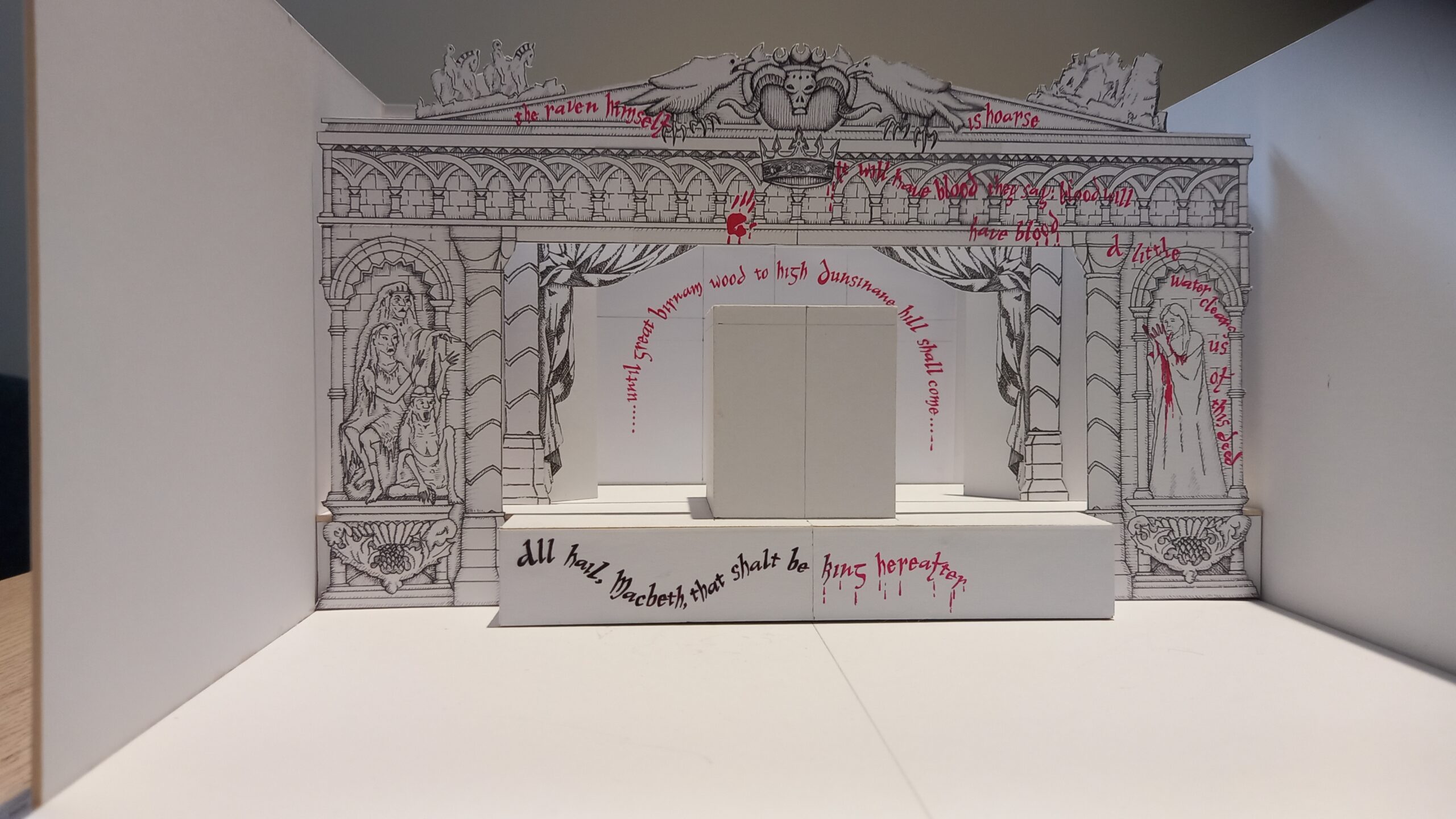
An exhibition set model of Macbeth: An Exhibition
I hope that you have had the chance to visit one (or all) of the exhibitions we have mounted since opening in 2024. If you have however, hopefully you didn’t notice the recycled walls, plinths and graphics. That’s entirely deliberate.
Conversations around sustainability are happening across the Arts and Culture sector. Consequently, the planning we do when delivering our temporary exhibition programme is heavily influenced by resource efficiency. And that means that we recycle a majority of our exhibition furniture and sets.
For many staff and visitors alike, the idea of a “green museum” is solar panels on the museum roof and recycling bins in the Art Gallery café. Whilst that is part of it, there is much more to being a sustainable museum.
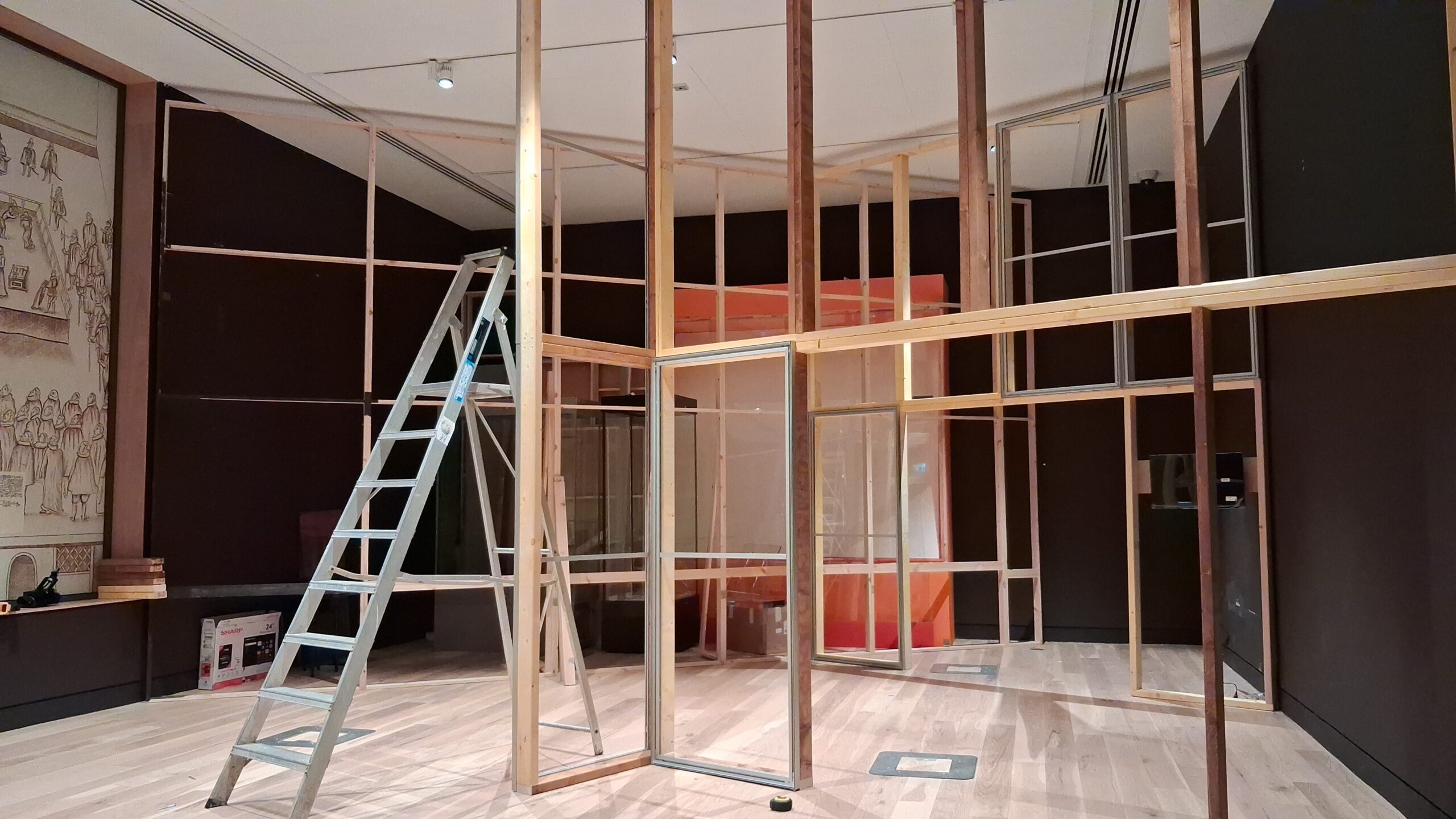
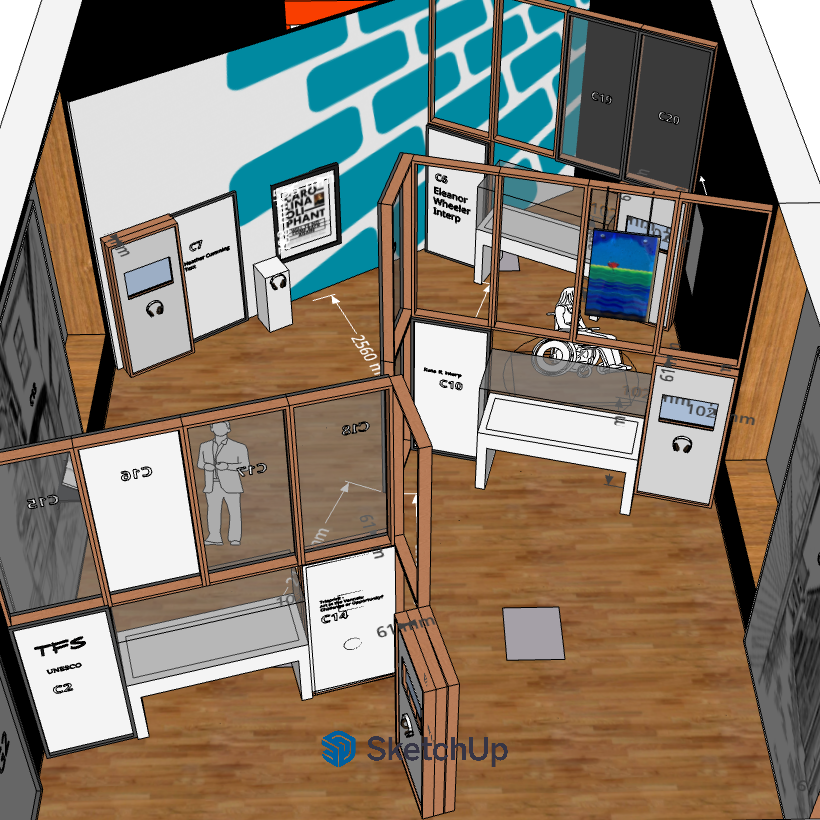
Building Vennels: Perth's Little Streets
We understand that how we research, curate, design and build exhibitions has environmental implications. From limiting loans from museums elsewhere in the country to reduce our carbon footprint, to reusing materials from previous exhibitions, we are constantly changing the way we work in an increasingly climate-conscious world.
Unfortunately, our ambitions don’t shrink in the same way that costs increase, and so, during the design and fabrication phases of any exhibition we need to minimise waste and reuse as much as possible. As a result, we look to the circular economy, as the alternative to the previous traditions of ‘take, make and dispose.’
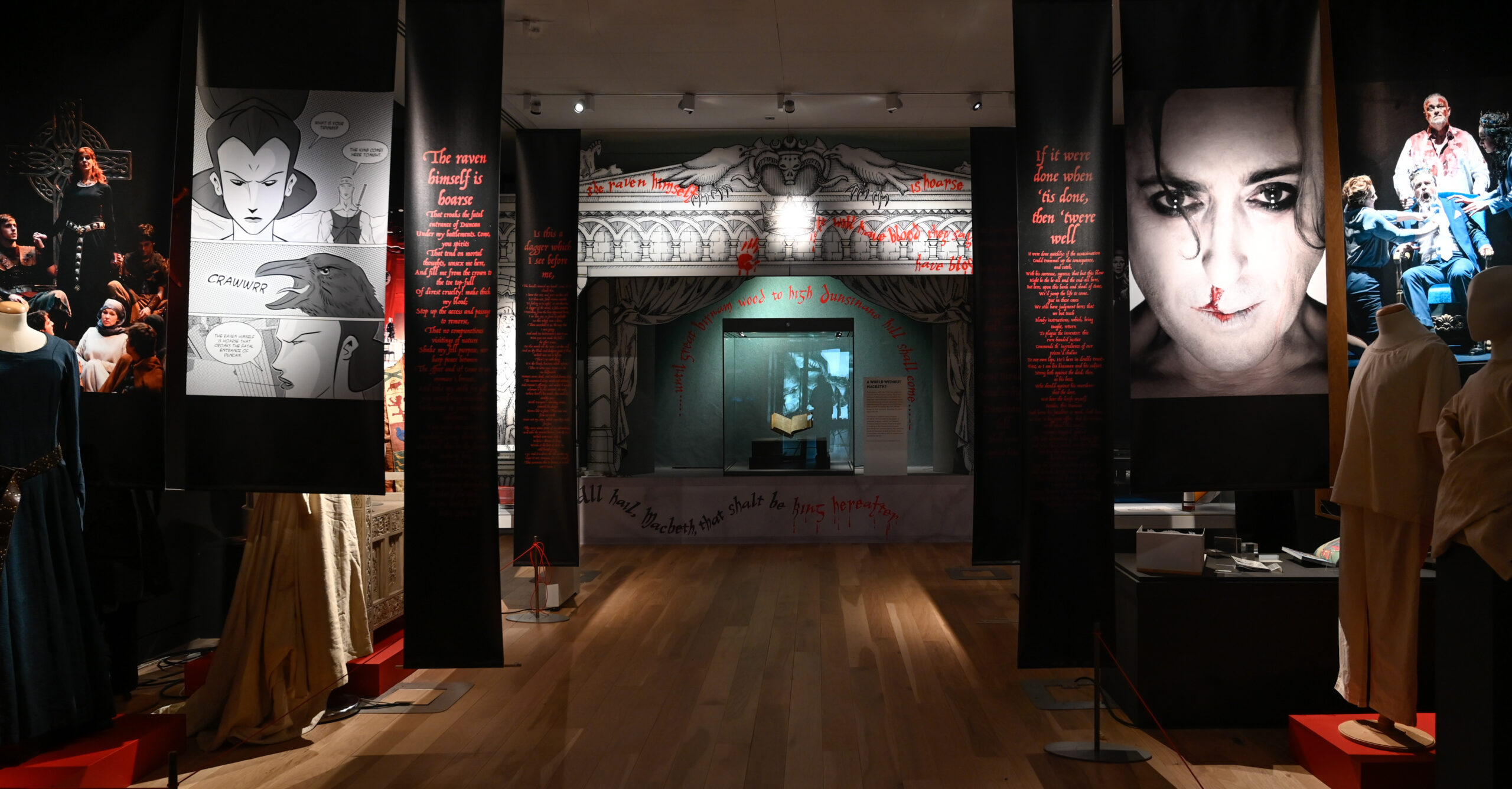
Completed design of Macbeth: An Exhibition featuring a solitary glass case holding a manuscript. Photo by Julie Howden.
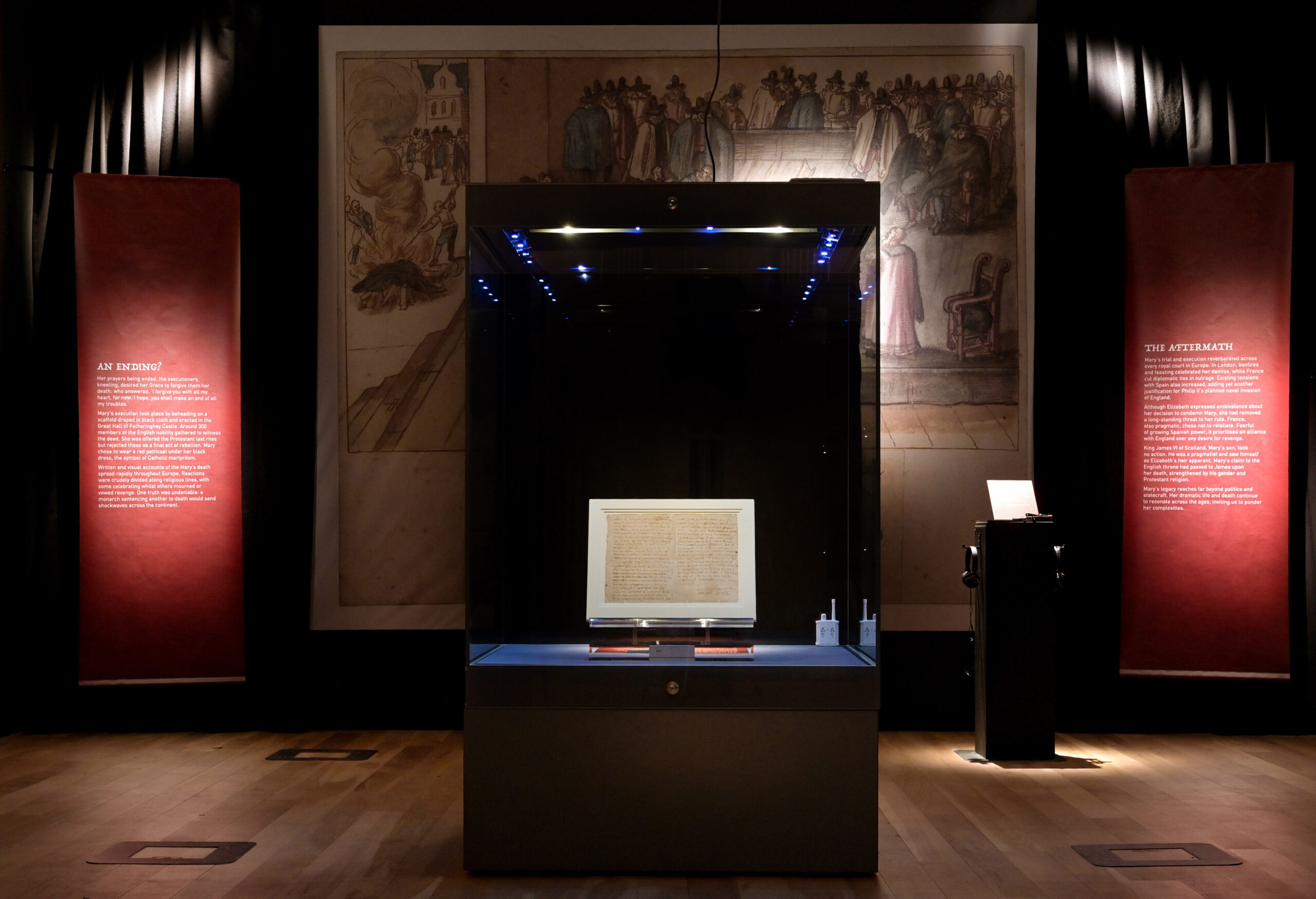
Completed display of The Last Letter of Mary, Queen of Scots, featuring a large solitary glass case holding The Last Letter. Photo by Julie Howden.
Where previously many of my old sets ended up as fuel for bonfire nights, or in landfill, there is now (thankfully) an acceptance that this is not sustainable. Transitioning to a more sustainable model has obvious cost saving benefits which is always helpful. As costs soar across the sector, we cut our cloth accordingly.
To that end, and I hope I’m not giving away too many secrets, parts of the exhibition that opened the Museum in 2024, Unicorn, now form sections of our latest one, Vennels: Perth’s Little Streets. The timber used in Waters Rising became parts of Perthshire Illustrated. The walls from Fleapit Theatre at the Art Gallery influenced the design of The Scottish Colourists Revealed. Even the staging from Macbeth: An Exhibition formed part of the display for The Last Letter of Mary, Queen of Scots. In fact, if you go to the Fringe, you may run into Destiny, the Trojan Unicorn who sat atop of the pavilion at the Museum as we opened our doors to the public for the first time. They are currently in George Square Gardens.
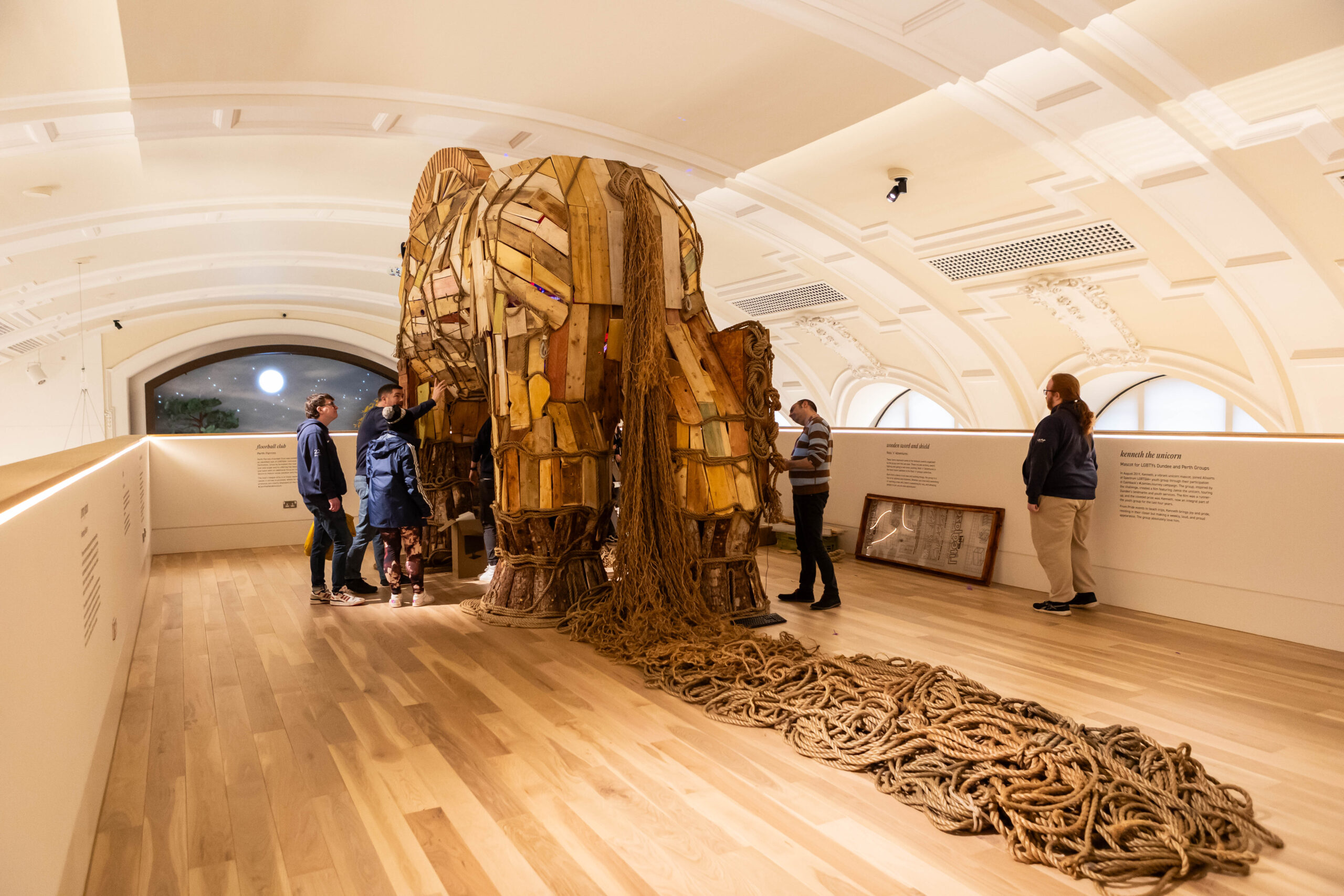
Destiny, the Trojan Horse in situ at Perth Museum in 2024. Destiny was created by Becky Minto (designer), Scott Bisset (build and design), and Kate Bonney (lighting designer). Photo by Sally Jubb.
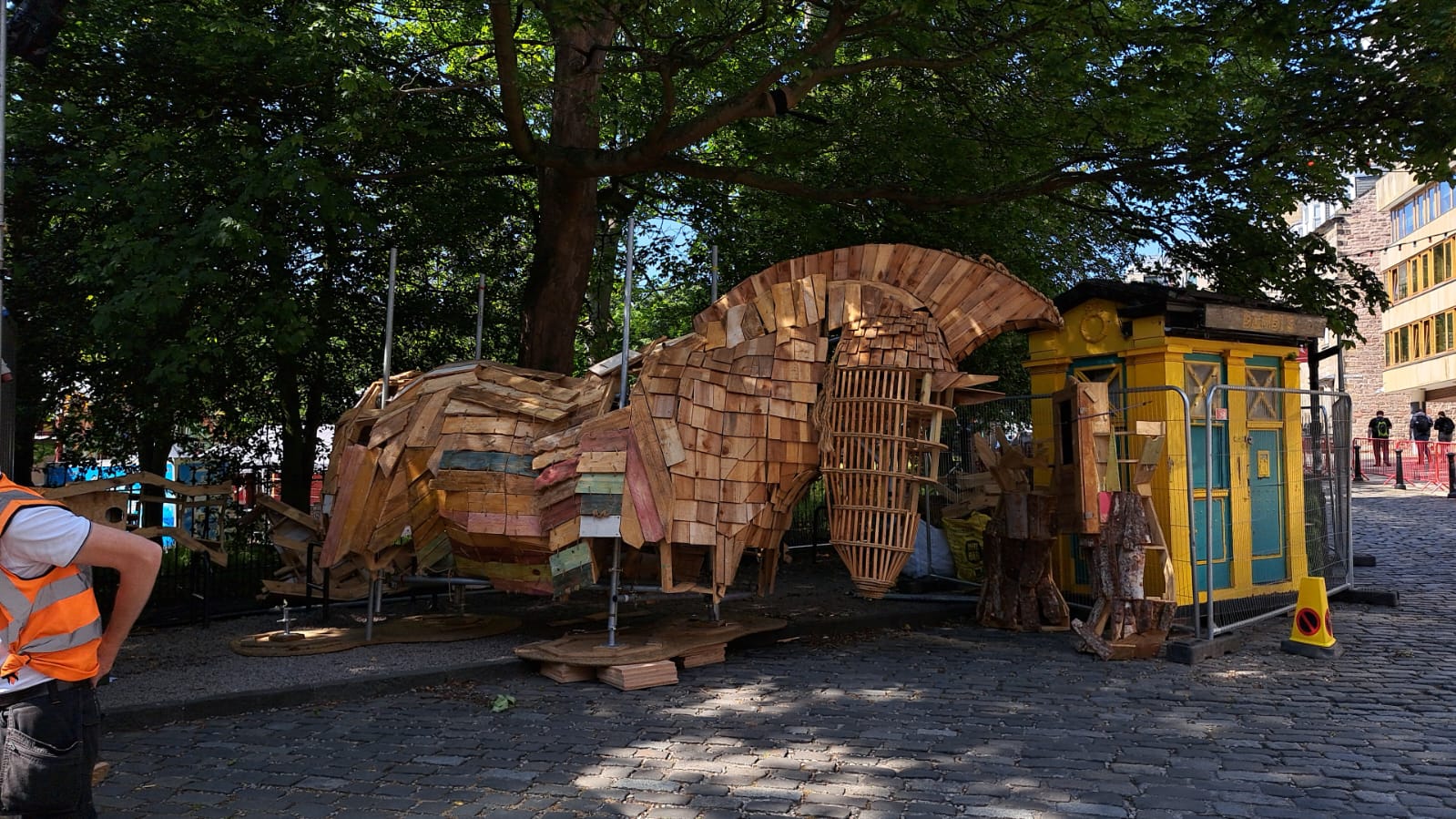
Destiny being assembled at the Edinburgh Fringe in 2025
Whilst working on theatre sets does not fully prepare someone for the levels of detail required for a museum exhibition, I have found that there are many similarities, recycling materials for the next show being just one of them.
Leaving theatre was a huge leap of faith. After 25 years working on stages and in workshops throughout Scotland, I was curious to see whether my skills were in any way transferable. It turns out that many of them were! And so, I became part of the Exhibitions team here at the Museum and Art Gallery.
The Exhibitions team here at Culture Perth and Kinross is small (there are two of us), and I would argue, perfectly formed! We work over two buildings and four programmable spaces. Our job is to take an exhibition proposal from ‘page to stage’ – even after seven years here, I still use theatre phraseology – a process that I see as very similar to planning a theatre production.
As with staging a play, from the moment an exhibition is given the go-ahead, a project team from across the organisation is put together. Ultimately, that teams job is to make the visitor experience as positive as possible. Whether it is a stage or a gallery space, there are stories to be told.
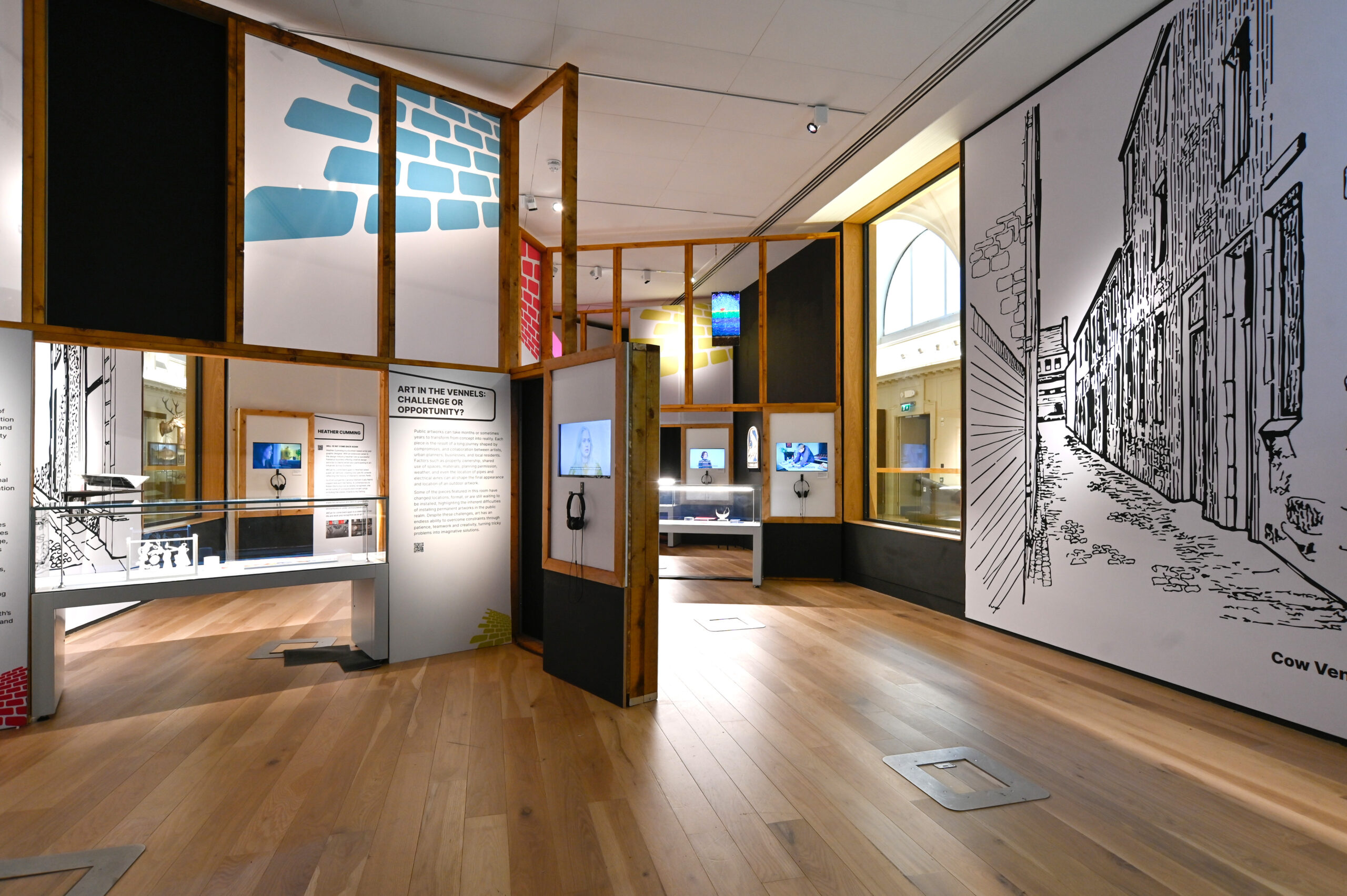
The completed Vennels: Perth's Little Streets exhibition design. Photo by Julie Howden.
However…
At any given time, we can be working on three or four different projects. We could be writing the exhibition’s interpretation, developing a design, organising loans from other museums, in discussion with the Collections team about objects in the collection, sourcing images for the graphics, building and installing, snagging or evaluating, all the while planning for the next exhibition!
I mentioned transferable skills earlier and for me, there are quite a few similarities between live theatre and museum exhibitions. The use of a tableau to tell a story for example. The most notable one however, is understanding who the audience is and what their experience should be when they cross the building’s threshold. As we brainstorm the next exhibition’s look and feel, (collaboration is key!) the goal is to inform, entertain and hopefully excite our visitors.
Whereas most theatre audiences sit and watch from a distance, museum visitors have their noses pushed firmly against the glass. That has implications on design and layout alongside the build quality of each of the display elements in the space
Theatre’s unofficial ‘five-metre rule’, makes sets made from recycled materials less obtrusive. Displaying objects and artworks requires much more care and attention than any actor(!). Consequently, the level of finish required in a plinth or case build for example, is much more exacting.
The five-metre rule may not apply in museums, but the principle of seeing the bigger picture certainly does. Whether we’re creating a theatre set or building an exhibition, the challenge is the same: using the resources available to tell a compelling story. If visitors leave inspired without noticing how many materials have been given a second life, then we’ve probably done our job well.